
I once worked with a B2B SaaS company that was basically in a committed relationship with their blog. Two posts a week. Every week. For three straight years.
Good topics. Solid writing. Real humans. Real effort.
And yet… their traffic graph looked like it was on life support.
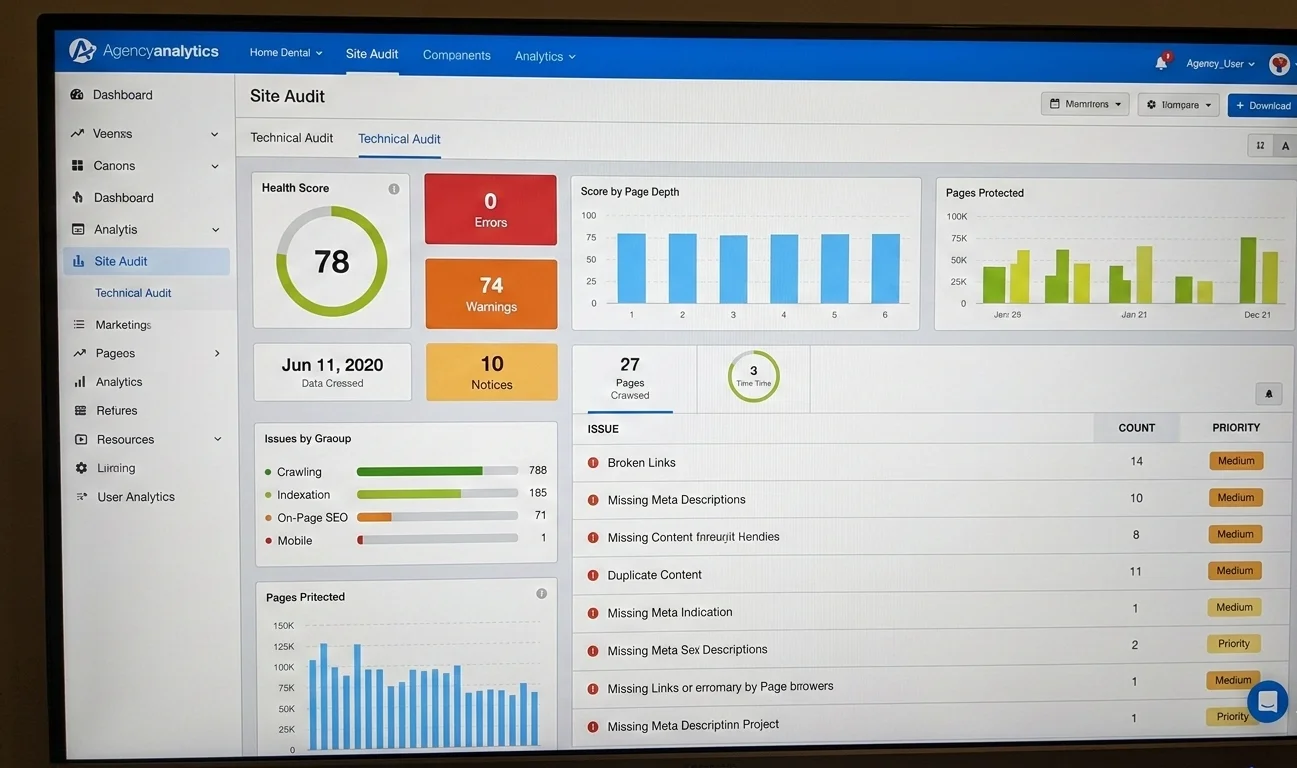
When we finally said, “Okay, let’s stop guessing and run a proper SEO audit,” we uncovered something almost poetic in its quiet destruction:
38% of their internal links were pointing to 301-redirected URLs.
For three years.
That’s nearly four out of every ten internal links politely escorting Google to a dead end and whispering, “Actually, go over there instead.” All that ranking authority? Slowly leaking into the void like air from a punctured tire.
No alarms.
No dramatic crashes.
Just a slow, invisible bleed.
Meanwhile:
The content team kept publishing.
The reports kept showing “meh.”
The confusion kept growing.
That’s the thing about skipping regular SEO audits, the damage doesn’t announce itself. It doesn’t send a warning email. It just quietly compounds in the background… until one day you’re staring at your analytics wondering why three years of effort barely moved the needle.
By then, you’ve spent months (or years) asking:
“Is it the content?”
“Is it the keywords?”
“Is Google broken?”
(No. It was your redirects.)
In this guide, we’ll break down:
What an SEO audit actually is (beyond the buzzword)
Why it matters more in 2026 than ever
How to run one properly
And the sneaky little technical gremlins that silently sabotage rankings without ever waving a red flag
Because in SEO, what you can’t see is usually what’s costing you the most.
What Is an SEO Audit
An SEO audit is a structured, no-stone-unturned evaluation of your website’s technical foundation, on-page content, and off-page authority signals, all with one goal: finding everything that’s holding your rankings back.
Think of it less like a report card and more like a full-body diagnostic scan. A good mechanic doesn’t just check the tires before a road trip, they run the whole system. A comprehensive SEO audit does exactly the same thing for your online presence.
It works across three interconnected layers:
Technical SEO: crawlability, indexation, site speed, Core Web Vitals, structured data, redirect chains On-Page SEO: content quality, keyword targeting, page titles, metadata, internal linking structure Off-Page SEO: backlink profile health, domain authority signals, competitor analysis
Miss one layer and the others underperform. A technically perfect site with thin content won’t rank. Great content sitting on a site that search engines can barely crawl? That’s just content that never gets read. The whole point of a good SEO audit is to make sure all three layers are working together.
Why Is an SEO Audit Important? (Here’s the Honest Answer)
Most websites that plateau in rankings or suddenly tank after an algorithm update, aren’t failing at strategy. They’re failing at execution, and they don’t even know it.
A regular SEO audit is important because it reveals the invisible friction that no amount of fresh content or new backlinks can overcome. You can outpublish every competitor in your niche every single month, but if your site is serving Google a jumble of duplicate URLs, broken links, and crawl budget waste, that content will never reach its full potential. Your SEO efforts are basically running with the parking brake on.
Let’s get into exactly what a thorough site audit actually uncovers, because this is where it gets genuinely interesting.
It Finds the Problems Search Engines Can’t Ignore
Every time Google’s crawlers visit your site, they’re forming an opinion about it. When they run into crawl errors, broken links, redirect chains, or duplicate content, they don’t cut you slack, your search rankings reflect the confusion.
A solid SEO audit identifies:
- 4xx and 5xx errors that block important pages from being indexed
- Broken links that waste crawl budget and quietly damage user trust
- Duplicate content that splits ranking signals across multiple URLs
- Orphan pages with zero internal links, completely invisible to both users and search engines
- Robots.txt misconfigurations that accidentally block pages you actually want Google to find
Real talk: I’ve seen a single misconfigured robots.txt disallow rule wipe out 60% of a site’s indexed pages overnight. It looked exactly like a manual penalty at first, took three days to figure out it was a crawl block the whole time. Three days of unnecessary panic. A routine website audit would’ve caught it before it ever happened.
It Protects (and Grows) Your Organic Revenue
Let’s be clear: an SEO audit isn’t routine maintenance, it’s a revenue diagnostic. Minor friction at scale suppresses traffic that compounds into real money over time. This is the part that tends to make clients sit up straight.
Case Study: A SaaS company ranking at position #6 for a high-intent keyword ran a full technical audit and found three issues stacked on top of each other. Their product page was competing with a blog post for the same keyword (classic cannibalization). 38% of internal links pointed to redirected URLs. And Core Web Vitals were failing on mobile.
After fixing the internal links and Core Web Vitals, no new backlinks, no new content, the site moved from position #6 into the top 3 within 8 weeks.
That’s the compounding return on audit investment in the wild. You’re not spending resources to build something new. You’re unlocking the value that already exists in your site but can’t surface because of technical issues quietly working against you.
It Catches Keyword Cannibalization Before It Costs You
Keyword cannibalization is one of the most common and least-discussed SEO problems out there, and a good SEO audit is one of the few ways to catch it systematically.
It happens when two or more pages on the same site compete for the same search query. The result? Google can’t pick a winner, so it splits its attention and neither page ranks where it should. I’ve watched it play out between a service page and a blog post, between two near-identical product category pages, and between a location page and a general FAQ. In every case, the site owner had absolutely no idea both pages were targeting the same intent. An audit exposes this across your entire site structure before it silently suppresses your most valuable pages.
It Surfaces Core Web Vitals Issues That Google Actually Measures
Google officially uses Core Web Vitals as a ranking signal, these aren’t abstract developer metrics, they measure how real people experience your pages. The four that matter most right now:
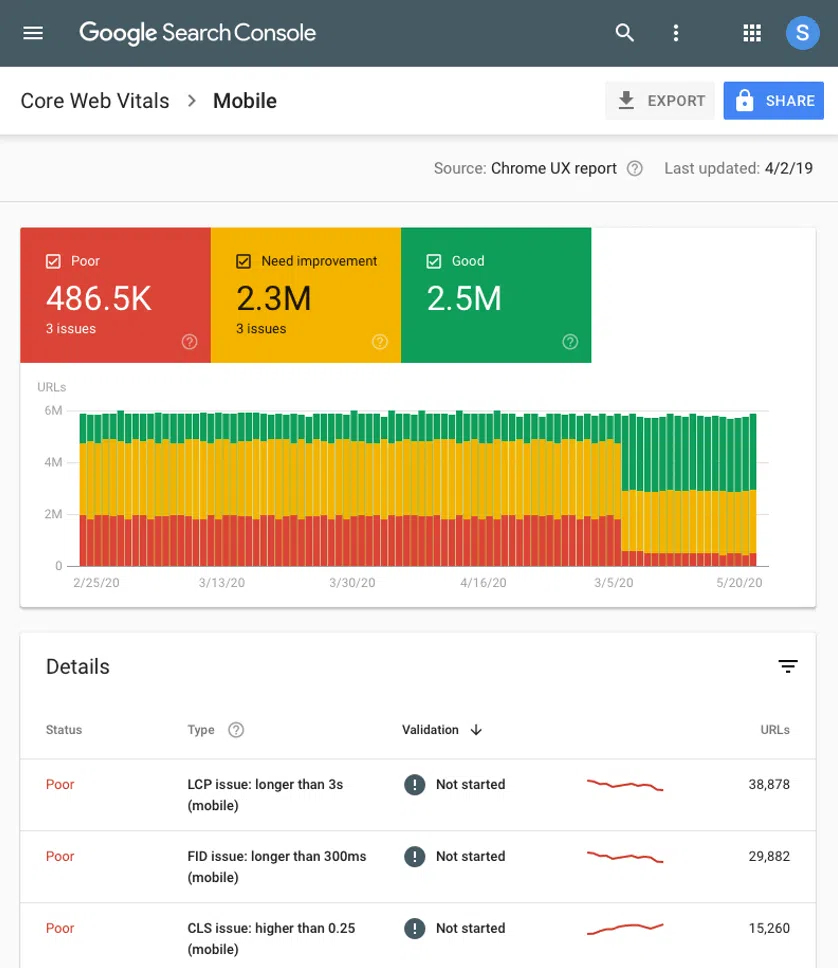
- LCP (Largest Contentful Paint): how fast your main content loads (target: under 2.5 seconds)
- CLS (Cumulative Layout Shift): visual stability as the page loads (target: under 0.1)
- TTFB (Time to First Byte): server response speed (target: under 800ms)
- INP (Interaction to Next Paint): how quickly the page responds to user input
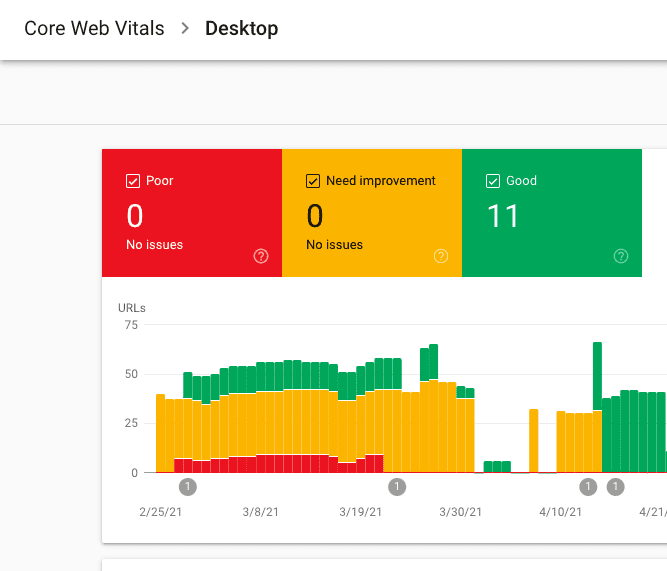
Here’s the mistake almost everyone makes: they fix desktop speed and completely ignore mobile, despite Google using mobile-first indexing for all websites since 2023. Your mobile score is your actual score. The audit has to evaluate both, or it’s not really doing its job.
It Builds a Genuine Competitive Intelligence Edge
A proper SEO audit doesn’t just look inward. Benchmarking your website against top-ranking competitors reveals things your analytics dashboard will simply never show you:
- Content gaps: topics they rank for that you haven’t touched
- Backlink opportunities: domains linking to your competitors but not to you
- Technical advantages: where their page speed or schema markup gives them an edge in search results
- Topical authority differences: the depth of their coverage versus your site’s surface-level approach
This kind of competitor analysis is what turns your SEO from reactive (constantly chasing drops and penalties) into genuinely proactive. Instead of asking why did we drop, you’re asking where can we win next.
It Unlocks Your Most Underrated Ranking Lever: Internal Linking
Internal linking is the part of SEO that almost nobody does well and it’s consistently the part that produces the biggest ranking improvements when you get it right.
The way your pages link to each other determines how Google distributes authority across your site and which pages it treats as most important. A thorough audit maps your entire internal linking architecture and spots:
- Pages with zero internal links pointing to them (orphan pages nobody visits)
- Over-linked low-priority pages absorbing authority that should flow to your money pages
- Missing links between topically related content that should reinforce each other
- Weak or irrelevant anchor text on your highest-value commercial pages
Honestly? In my experience, the most significant ranking improvements, the ones that happen without new content or new link building, almost always come from fixing internal linking. It’s a lever that’s already built into your site. A comprehensive SEO audit just shows you how to use it.
The 5 Key Benefits of Running a Regular SEO Audit
If you’re explaining the value of an SEO audit to a client, a skeptical manager, or honestly just to yourself at 11pm wondering if this is all worth it. Here’s your concise, shareable version:
- Improved crawlability and indexation: every important page becomes discoverable to search engines
- Higher search rankings: technical friction removed, intent alignment restored
- Better user experience: faster load times, cleaner structure, less content confusion
- Stronger content ROI: fixes the problems preventing existing content from performing
- Competitive defense: identifies weaknesses in your site before competitors can exploit them
How to Conduct a Technical SEO Audit: Step-by-Step
A professional SEO audit follows a structured process, not a surface-level checklist. Here’s the framework experienced SEO professionals actually use.
Step 1: Crawl the Website Like Google Does
The first step is simulating how Googlebot sees your site, because the browser experience and the crawler experience are often completely different. Structural problems that look fine in Chrome are invisible until you actually run a site crawl.
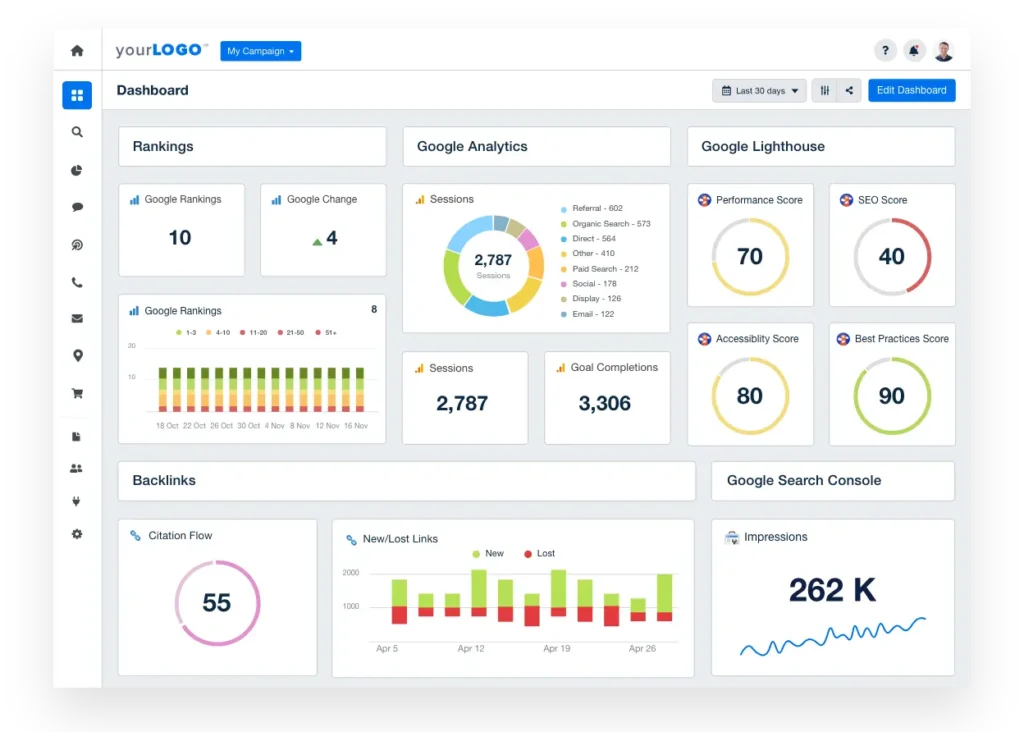
The go-to SEO tools for this: Screaming Frog SEO Spider, Ahrefs Site Audit, Semrush Site Audit, and Google Search Console’s Coverage Report.
You’re hunting for 4xx errors (broken pages), 5xx errors (server failures), redirect chains and loops, broken or misconfigured canonical tags, and orphan pages sitting in the dark with no internal links pointing to them.
Step 2: Analyze Crawl Budget and Indexation Health
Crawl budget is the number of pages Google will crawl on your site in a given window of time. Waste it on thin, duplicate, or parameter-based URLs, and your important pages get crawled less frequently, sometimes way less.
Check your total indexed pages against your sitemap submission, look for soft 404s appearing as indexed content, and identify paginated or parameter URLs consuming crawl budget without contributing any ranking value.
Advanced tip: If your indexed page count significantly exceeds your actual quality page count, Google is burning crawl budget on content that adds zero ranking value. This is one of the most common and most invisible problems that a good website audit will surface.
Step 3: Audit Core Web Vitals and Page Speed
Fire up Google PageSpeed Insights and the Core Web Vitals report in Google Search Console. Target thresholds: LCP under 2.5 seconds, CLS under 0.1, TTFB under 800ms. Always check mobile and desktop. They often tell dramatically different stories. (And remember: mobile is the one that counts.)
Step 4: Map Internal Linking Architecture
Evaluate how authority actually flows through your site. Which pages receive the most internal links? Do those pages align with your highest-value commercial targets? Are your money pages the ones generating leads and revenue, getting the internal authority they deserve, or is it scattered all over low-priority blog posts from 2019?
Also check: anchor text variation and relevance, deep page discoverability (pages buried more than three clicks from the homepage), and broken internal links pointing to redirected targets.
Step 5: Audit Structured Data and Technical Signals
Structured data (schema markup) helps Google understand your content and unlocks rich results in search, which directly improves click-through rates without changing your position. Run your key pages through Google’s Rich Results Test and check for schema errors that might be holding you back.
Also audit: breadcrumb implementation, XML sitemap accuracy and freshness, and your robots.txt for any accidental blocking of important pages or assets, especially JavaScript and CSS files that affect how pages render.
Step 6: On-Page and Content Quality Review
Technical health means nothing if your content is semantically thin or misaligned with search intent. This is where a lot of audits stop short and where significant ranking improvements get left on the table.
Look for keyword cannibalization between blog posts and commercial pages, page titles and meta descriptions that are missing, duplicated, or getting cut off, pages attracting the wrong query type (informational traffic landing on a transactional page), and commercial pages without the content depth needed to compete.
How Often Should You Run an SEO Audit?
Quick answer: Full technical audit every 6 months. Mini audit (crawl + Search Console review) every 90 days. After any major site change: immediately.
For competitive industries like eCommerce, SaaS, finance, healthcare quarterly audits aren’t a luxury. Google rolls out hundreds of algorithm updates annually. Core updates alone can reshape entire search result pages within days.
Waiting 12 months between audits means operating in pure reactive SEO mode repairing damage after it’s already cost you rankings and revenue. Regular SEO audits are the only way to stay ahead of it.
One more thing worth saying plainly: always run a full audit immediately after any major site change a redesign, a CMS migration, a new URL structure, even significant changes to how JavaScript renders your content. These events create crawl and indexation problems that are far cheaper to fix on day one than on month six.
Why Duplicate Content Is the Silent Rankings Killer
Duplicate content doesn’t trigger a penalty and that’s actually what makes it so dangerous. It does something worse: it causes quiet, persistent ranking suppression with no obvious cause. Here’s exactly what happens under the hood:
- Ranking signals get diluted across multiple URLs instead of concentrated on one strong page
- Google indexes the wrong URL often a parameter variant, not your canonical version
- Backlink equity splits between duplicates, weakening both pages
- Crawl budget gets consumed by redundant content that adds zero ranking value
The most common types that turn up in audits: URL parameter variations, HTTP vs. HTTPS versions both accessible, WWW vs. non-WWW duplicates, product pages with identical descriptions across variants, and auto-generated tag or archive pages indexed at scale.
Real-world case: An eCommerce site discovered during a site audit that each product page had four accessible URL versions and thousands of auto-generated tag archive pages indexed site-wide, with no canonical tags in sight. Result: 42% of total crawl budget, wasted. When an algorithm update hit, organic traffic dropped 18%. The fix? 301 redirects for URL variants, canonical tags implemented site-wide, tag and archive pages noindexed. Organic traffic recovered within 2 months. A solid SEO audit identified every single issue.
Is an SEO Audit Worth It? The Honest ROI Case
Yes and the cost of not running one is almost always higher than the cost of running it.
Here’s what you’re preventing when you audit regularly:
- Content investment wasted on pages Google can’t properly index
- Link building investment undermined by technical issues diluting the backlink equity
- Conversion loss from slow load times and poor user experience
- Ranking drops from algorithm updates that a quarterly audit would have anticipated
The 80/20 rule applies directly to SEO success: 80% of your ranking improvements come from fixing 20% of your most critical issues. A good SEO audit identifies exactly which 20% those are the crawl errors, duplicate content, internal linking gaps, and Core Web Vitals failures that are suppressing your highest-value pages.
That’s not a marketing argument. That’s what the SEO data from actual audits shows, time after time.
The 4-Week SEO Audit Implementation Checklist
The audit report is the beginning, not the end. Execution is where search rankings actually change.
Week 1: Discovery and Mapping
- Complete full site crawl and export all error URLs
- Map all money pages and their current ranking positions
- Identify cannibalization conflicts and duplicate content instances
2nd Week: Technical Fixes
- Fix redirect chains and broken internal links
- Resolve canonical tag conflicts across all key URLs
- Improve internal linking to priority commercial pages
Week 3: Performance and Indexation
- Optimize Core Web Vitals prioritize mobile
- Remove or consolidate duplicate indexed pages
- Update and resubmit XML sitemap
Week 4: Monitoring and Tracking
- Re-submit updated sitemap to Google Search Console
- Monitor crawl stats and coverage report for improvements
- Track ranking shifts on target keywords weekly
Common SEO Audit Mistakes to Avoid
Mistake #1: Only fixing surface-level errors. 404s are visible. Crawl budget waste and cannibalization are not. Dig deeper the invisible problems are almost always the costly ones.
Mistake #2: Ignoring log file analysis. Server logs show exactly what Google crawls, how often, and which pages it quietly ignores. This data is irreplaceable and routinely skipped by SEO professionals who should know better.
Mistake #3: Over-focusing on Domain Rating instead of topical authority. A site with deep, well-structured topical coverage consistently outranks higher-DR sites with thin content. Your backlink profile matters, but it’s not the whole story.
Mistake #4: Not connecting audit findings to revenue pages. Fix issues on the pages that generate leads and sales first. Low-priority blog posts from three years ago can wait.
Mistake #5: Treating the audit as a one-time task. SEO is not static. Google’s algorithm certainly isn’t. The whole point of effective SEO is staying ahead of changes and you can’t do that without running regular audits.
Frequently Asked Questions
Why is an SEO audit important?
An SEO audit is important because it identifies the technical, content, and structural issues preventing your website from ranking effectively in search results. Without regular audits, problems like duplicate content, broken links, crawl errors, and keyword cannibalization accumulate silently, suppressing rankings and draining organic revenue with no obvious warning signs. A website that looks completely fine to a human visitor can be a total mess from a search engine’s perspective.
What are the 5 most important reasons to run an SEO audit?
Fixing technical errors that block indexation, resolving duplicate content and keyword cannibalization, improving Core Web Vitals for better rankings and user experience, strengthening internal linking to direct authority to money pages, and running competitor analysis to close performance gaps strategically.
Are SEO audits worth the investment?
Consistently, yes. SEO audits uncover fixable issues that are actively suppressing existing rankings. Instead of investing more in content or link building without addressing root problems, a comprehensive SEO audit ensures every other SEO effort performs at full potential. For most websites, acting on audit findings produces more ranking improvement than any single other activity.
What is the 80/20 rule for SEO?
The 80/20 rule in SEO means 80% of your ranking gains come from fixing 20% of your most critical issues. A well-executed audit identifies that high-impact 20% crawlability, duplicate content, Core Web Vitals, and internal linking so your resources focus where they’ll produce the greatest organic search improvement.
How often should I run an SEO audit?
Full technical audit every 6 months. A lighter crawl and Search Console review every 90 days. Immediately after any major site change. For competitive industries eCommerce, SaaS, finance, healthcare quarterly full audits are the standard, not the exception.
Final Takeaway
An SEO audit is not routine maintenance. It’s competitive intelligence and revenue defense bundled into one process and if you’re not running them regularly, you’re essentially flying your website blind.
Every week your site runs with unresolved crawl errors, duplicate content, or failing Core Web Vitals is a week your competitors are gaining ground you’ll eventually have to claw back. The compounding nature of these issues is exactly what makes them so dangerous and exactly what makes fixing them so valuable.
Run regular audits. Prioritize what actually moves rankings. Stop guessing why traffic isn’t growing and start finding out.
Because the answer is almost always already sitting inside your site. A good SEO audit is what brings it to the surface.