
If you’ve been around SEO long enough, you’ve heard it: “nofollow links don’t help rankings.”
That advice isn’t completely wrong; it’s just incomplete.
In 2026, the conversation around nofollow links is far more nuanced. If you’re still treating them as useless, you’re likely overlooking real SEO value and potentially weakening your overall link profile.
Let’s clear this up properly.
We’ll cover how nofollow works, how search engines like Google treat it today, and whether nofollow links can actually support your SEO goals.
What Is a Nofollow Link?
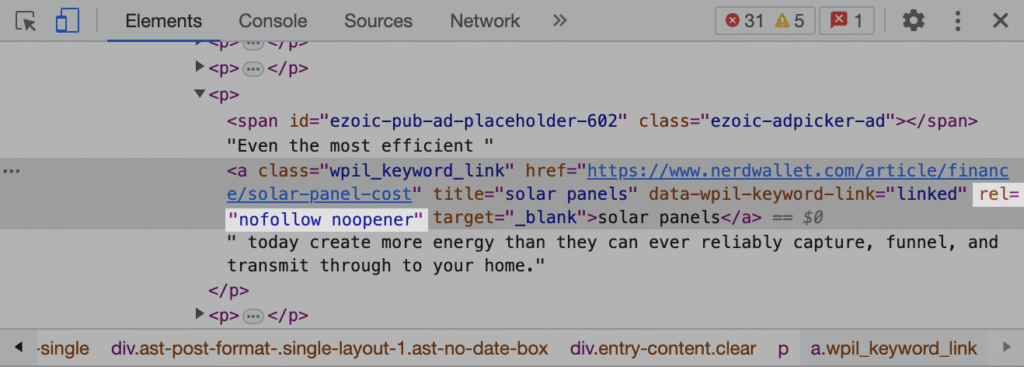
A nofollow link is simply a link with a rel="nofollow" attribute added to the HTML.
It looks like this:
<a href=”https://example.com” rel=”nofollow”>Anchor Text</a>
That tag tells search engines not to treat the link as a full editorial endorsement. Traditionally, that meant the link would not pass authority (often called link juice).
A standard dofollow link (also called a follow link) looks like this:
<a href=”https://example.com”>Anchor Text</a>
No special attribute. It passes authority by default.
Google introduced the “nofollow” attribute back in 2005 to fight spam, especially blog comment spam. Over time, platforms like Wikipedia, Reddit, Quora, and most social media accounts adopted nofollow by default.
That’s why understanding nofollow links in SEO still matters today.
Does Google Ignore Nofollow Links?
No.
This is where many people are still stuck in 2010 thinking.
Since 2019, Google treats the nofollow tag as a hint, not a strict rule. That means:
- A nofollow link may still be crawled.
- A page discovered via a nofollow backlink may still be indexed.
- The link may still contribute to Google ranking signals in certain contexts.
Nofollow links don’t directly pass PageRank like dofollow backlinks. But they also aren’t invisible.
And in modern SEO, where entity signals, brand mentions, and trust indicators matter, that distinction is important.
Nofollow vs Dofollow: What Actually Changes?
Here’s the practical difference:
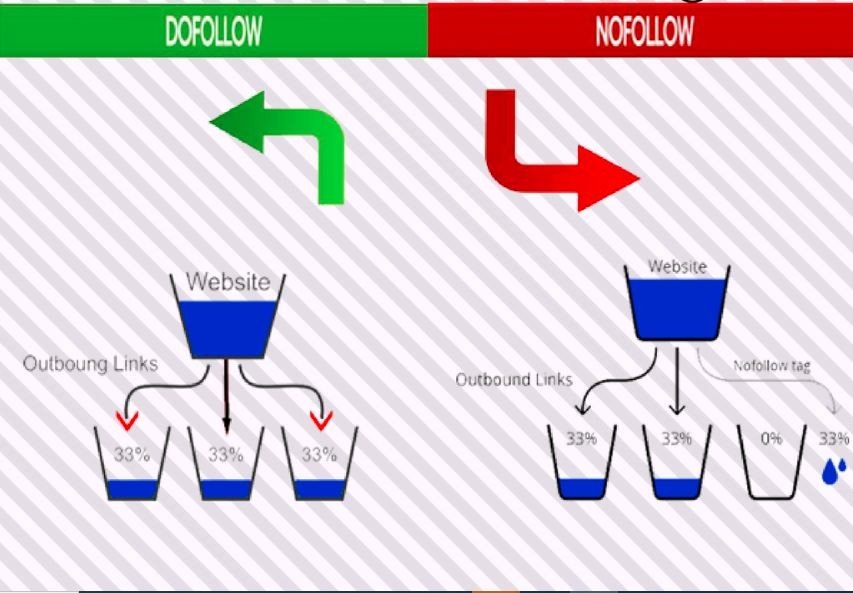
- Dofollow links pass authority and directly influence search ranking.
- Nofollow links do not pass traditional link juice in the same way.
- Sponsored links (
rel="sponsored") are for paid links. - UGC links (
rel="ugc") are for user-generated content.
The mistake most people make is assuming nofollow links don’t contribute at all.
They don’t pass authority the same way, but links can still contribute in other ways.
How Nofollow Links Help SEO (Indirectly)
This is where things get interesting.
Even though nofollow links don’t directly boost rankings through PageRank, they still impact your SEO efforts.
1. Referral Traffic
A nofollow link on a high-traffic website can drive real, converting traffic.
And referral traffic matters.
Visitors can share your content, mention your brand, or link back to you with dofollow links.
Links don’t pass authority? Maybe.
But links can bring visitors, and that’s not nothing.
2. Brand Authority and Entity Signals
Search engines like Google don’t just count backlinks anymore. They analyze relationships between brands, topics, and authority sources.
If your site consistently gets mentioned (even via nofollow links) on reputable platforms, that builds entity recognition.
That affects search engine rankings in subtle but meaningful ways.
3. Natural Backlink Profile
A natural link profile includes both nofollow and dofollow links.
If 100% of your backlinks are dofollow, that’s suspicious.
Real websites earn a mix of nofollow and dofollow links from social media, press mentions, directories, forums, and editorial placements.
A healthy site’s backlink profile doesn’t look engineered.
4. Link Amplification
This happens more often than people realize.
A startup gets featured in a major publication. The link is nofollow.
Within weeks, bloggers, journalists, and niche sites reference that feature, and those new links are dofollow.
The original nofollow link triggered the chain reaction.
That’s how content marketing and link building actually compound.
When Nofollow Links Matter Most
Not all nofollow backlinks are equal.
They matter when they come from the following:
- Authoritative publications
- Highly relevant industry websites
- Real communities where your audience lives
- Trusted directories with editorial standards
- Active forums with engaged users
A nofollow link from a respected industry source is far more valuable than a dofollow link from a spam blog.
Source quality beats link type every time.
Can Too Many Nofollow Links Hurt SEO?
No.
Having nofollow links in your site’s backlink profile does not hurt your SEO.
What hurts SEO is:
- Link schemes
- Paid link manipulation without proper tagging
- Spammy external links
- Irrelevant backlink spikes
- Over-optimized anchor text
Google evaluates patterns, not ratios.
There is no “perfect” nofollow vs dofollow percentage.
Focus on earning links naturally.
Should You Build Nofollow Links On Purpose?
Yes, strategically.
You don’t chase nofollow links for link juice. You pursue them for visibility, credibility, and traffic.
A smart SEO strategy includes the following:
- Digital PR campaigns
- HARO responses
- Industry community participation
- Podcast mentions
- Social media distribution
- Wikipedia citations
- High-quality directories
If a link can drive traffic, improve brand visibility, and support your SEO success, it’s valuable.
Even if it’s nofollow.
When Nofollow Links Don’t Help
Let’s be honest.
These are a waste of time:
- Spam comment drops
- Mass low-quality directory submissions
- Automated forum signatures
- Scraped-site backlinks
- Random blog comments with no traffic
If the link doesn’t send a single qualified visitor, it’s not helping.
Nofollow or dofollow doesn’t matter at that point.
How to Check If a Link Is Nofollow
You can check quickly:
- Right-click → Inspect → Look for
rel="nofollow" - View page source and search for “nofollow.”
- Use SEO tools like Ahrefs, SEMrush, or Moz
- Install a Chrome extension that highlights link types
Understanding nofollow links means understanding the link code behind them.
Advanced Insight: How Nofollow Likely Impacts SEO in 2026
Google’s ranking systems now use:
- Entity recognition
- Knowledge Graph relationships
- Brand search signals
- Topical authority clustering
- Machine learning relevance models
In this environment:
- Nofollow links reinforce entity associations
- Context around links tells search engines what your site is about
- Brand mentions increase branded search volume
- Visibility builds trust
PageRank is no longer the whole story.
Links tell search engines more than just authority transfer.
Quick Summary: Do Nofollow Links Help SEO?
Yes, but not in the way most people think.
Nofollow links:
- May influence crawling
- Strengthen your natural backlink profile
- Drive referral traffic
- Support brand authority
- Contribute to broader SEO efforts
- Often generate secondary dofollow backlinks
They are not a replacement for strong editorial dofollow links.
But ignoring them is a mistake.
Frequently Asked Questions
Do nofollow links pass authority?
Technically, nofollow links don’t pass authority in the traditional sense. However, since Google treats them as hints, they may still contribute to ranking signals indirectly.
Are social media links helpful for SEO?
Most social platforms use nofollow. They don’t directly improve your rankings, but they can drive traffic, increase visibility, and generate organic backlinks.
What is a healthy nofollow-to-dofollow ratio?
There is no magic ratio. A natural link profile includes both nofollow and dofollow links. Focus on quality, not percentages.
Should paid links use nofollow?
Yes. Paid link placements must use rel="sponsored" or rel="nofollow". Allowing paid links to pass authority violates Google’s guidelines and risks penalties.
Final Perspective
If you want to improve your rankings in search engines long-term, obsessing over whether a link is nofollow or dofollow misses the bigger picture.
SEO success comes from:
- Earning authoritative mentions
- Building a natural backlink profile
- Driving relevant traffic
- Supporting broader content marketing
- Following ethical SEO practices
If you’re serious about improving your rankings, it may be worth reviewing your broader strategy. You can explore why SEO is important for business here:
https://errorsync.com/why-seo-is-important-for-business/
Or understand the role of a proper audit in strengthening your site’s backlink profile:
https://errorsync.com/why-an-seo-audit-is-important/
If you’re considering professional guidance, this guide explains what SEO consulting involves:
https://errorsync.com/what-is-seo-consulting-the-complete-guide-to-hiring-the-right-seo-consultant/
And if you’re a growing company looking for hands-on execution, hiring an SEO expert can make the difference:
https://errorsync.com/hire-seo-expert-for-small-business/
Because in 2026, the question isn’t just “Do nofollow links help SEO?”
It’s whether your entire SEO strategy understands how modern search engines actually evaluate trust, authority, and relevance.